Introduction to the World of Gemstones
Gemstones have captivated human imagination for centuries, symbolizing wealth, status, and spirituality. These shimmering treasures are more than just beautiful accessories; they carry rich histories and cultural significance across civilizations. From royal crowns to modern engagement rings, gemstones are revered for their beauty and symbolism. As time has passed, the range and variety of gemstones have expanded, giving people access to both rare and affordable pieces. The science and artistry behind gemstone creation and selection make them fascinating to explore. Whether mined from deep within the Earth or created in labs, each gem has a unique story to tell. In this article, we explore the different kinds of gemstones, the processes behind their formation, and how to distinguish between naturally occurring and man-made varieties. Let’s delve into the colorful world where nature meets craftsmanship.
Natural vs. Synthetic: Understanding the Differences
When it comes to gemstones, one key distinction lies between natural and synthetic forms. A natural gemstone is formed through geological processes over millions of years. These stones are mined from the Earth and often come with natural imperfections that highlight their authenticity and age. On the other hand, synthetic gemstones are created in laboratories using advanced techniques that replicate the conditions under which natural gems form. While they can be nearly identical in chemical composition and appearance, synthetic gemstones are typically more affordable and accessible. Understanding this difference is crucial for buyers and collectors, as it influences both the value and emotional connection to the piece. Additionally, the sourcing of gemstones plays a role in ethical and environmental considerations, making it essential to know the origin and creation process of each gem you choose to wear or collect.
The Rise of Lab-Created and Artistic Gemstones
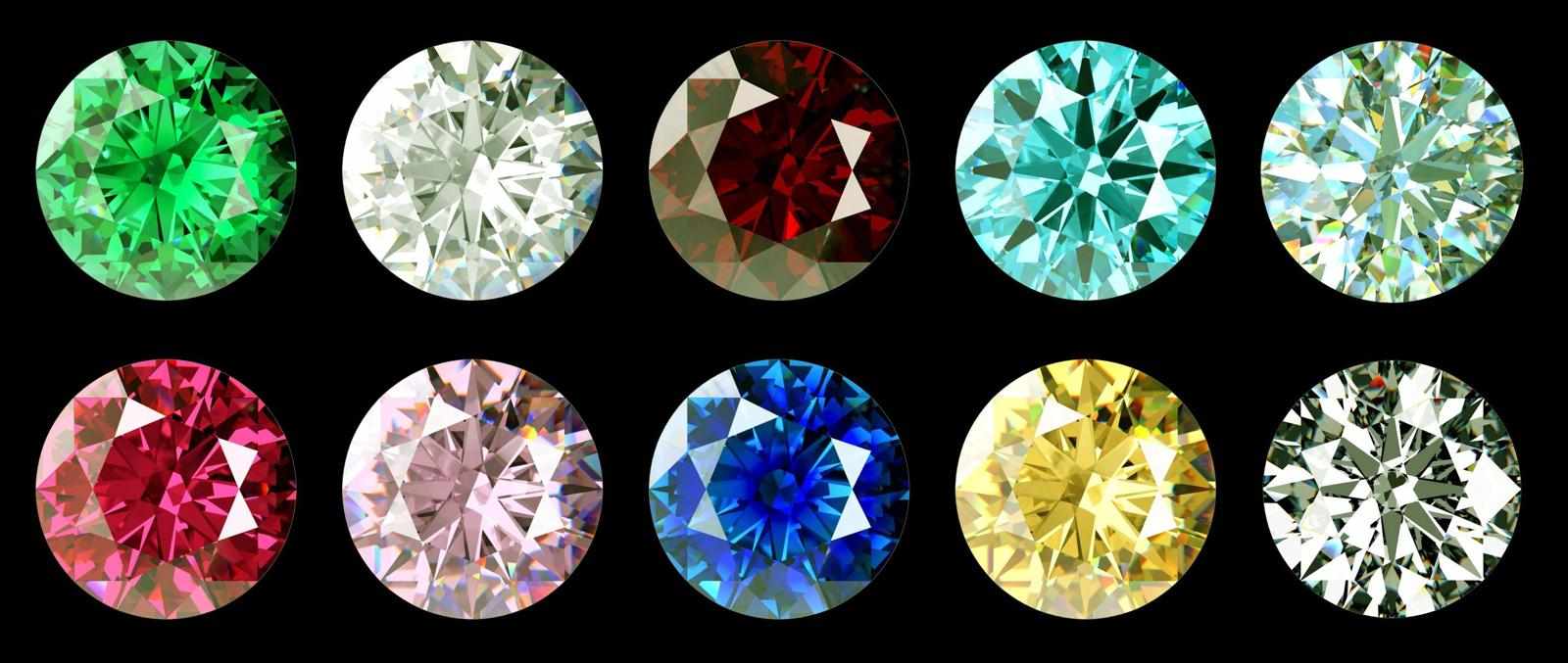
As technology has advanced, so has the ability to create high-quality gemstones that rival their natural counterparts. One popular example is the glass gemstone, a crafted stone made from silica-based materials that can mimic the look of more expensive gems like emeralds and sapphires. Glass gemstones are often used in costume jewelry and artistic designs due to their versatility, vibrant colors, and affordability. While they may not hold the same value as natural stones, their beauty and adaptability make them a favorite in fashion-forward and creative circles. These man-made gems also offer a sustainable alternative for those looking to minimize the environmental impact associated with traditional mining. Moreover, innovations in glass and crystal technologies have broadened the aesthetic options available, allowing jewelers to experiment with new styles and designs that wouldn't be possible using only natural materials.
Choosing the Right Gemstone for You
Selecting the perfect gemstone involves more than just picking the most beautiful one—it requires understanding your personal preferences, lifestyle, and budget. Some people may be drawn to the timeless appeal and natural beauty of mined stones, while others prefer the affordability and ethical production of lab-created or artistic gems. Factors such as durability, color, clarity, and symbolism also come into play. For example, diamonds are prized for their hardness, while opals captivate with their shifting rainbow hues. Whether you’re shopping for a special occasion or adding to a personal collection, it's important to research the gemstone's properties and provenance. Consulting with reputable dealers and gemologists can help you make informed decisions. Ultimately, the best gemstone is one that resonates with your sense of style and story, reflecting who you are and what you value most.
Conclusion: Embracing the Beauty of All Gemstones
In the end, gemstones offer something for everyone, whether you're captivated by the ancient mystery of natural stones or the creative possibilities of man-made alternatives. The beauty, symbolism, and craftsmanship involved in gemstone creation ensure that these treasures will continue to enchant us for generations to come. As consumers grow more mindful of ethical sourcing and sustainability, the appreciation for both natural and synthetic gems is only likely to increase. Whether you’re investing in a family heirloom or indulging in a fashionable accessory, understanding the variety and origins of gemstones enhances your appreciation for these sparkling marvels. For a deeper dive into the world of gemstones and to explore a curated selection, you can visit syntheticgems.org and discover a world where artistry meets authenticity.


Write a comment ...